The Plague Highlights
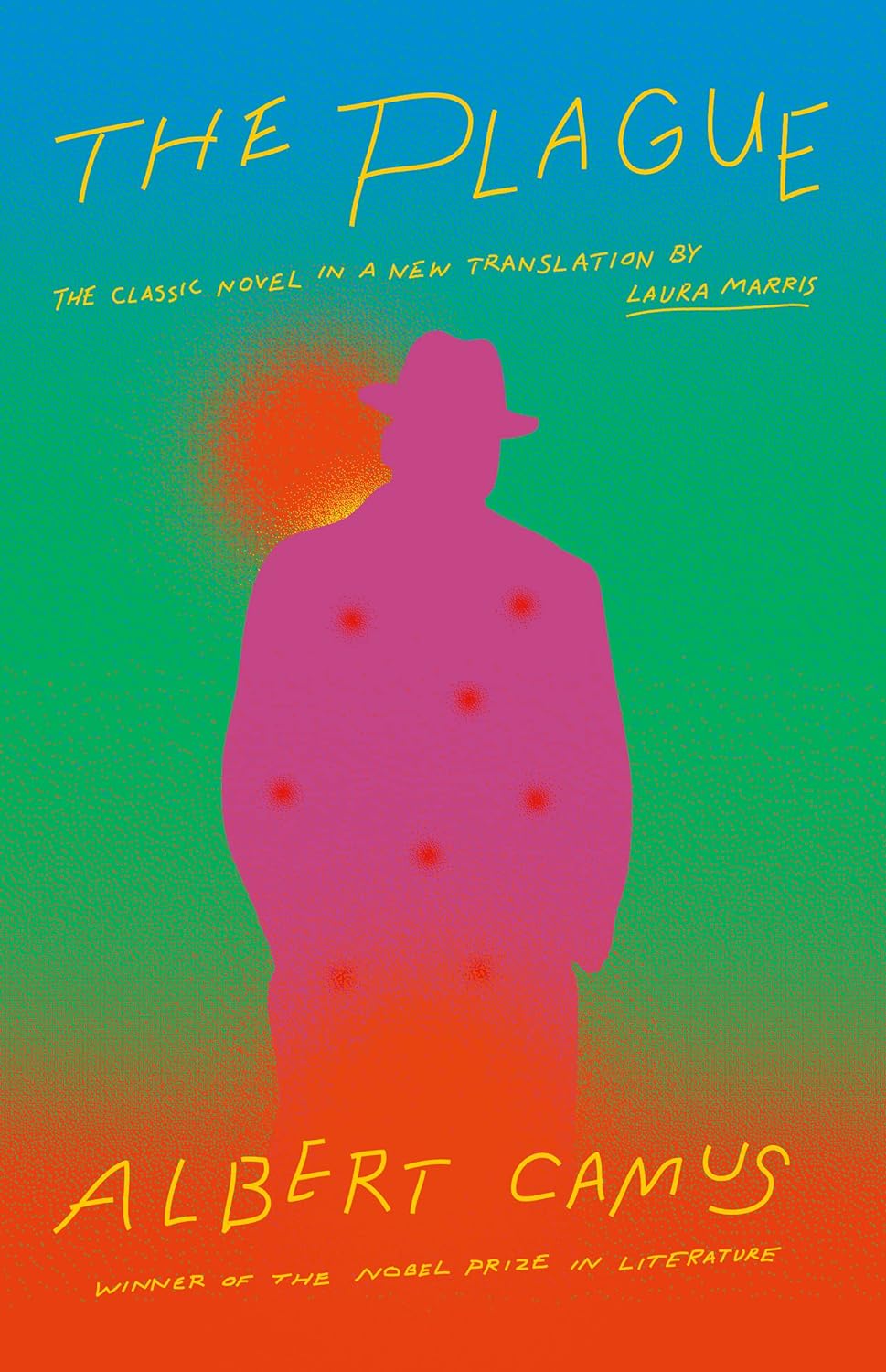
The Plague by Albert Camus (translated by Laura Marris)
On traveling
One useful way to get to know a city is to find out how people work there, how they love there, and how they die there.
— location: 66
On motivation and desire
The desires of the youngest are violent and short, while the vices of the eldest don’t surpass bocce ball leagues, charity banquets, and clubs where people risk high stakes on their luck at cards.
— location: 72
On dying in capitalist cities
What’s most original about our city is how difficult it can be to die there. Difficulty, though, isn’t exactly right, and it would be better to talk about discomfort.
— location: 81
A sick person needs softness, he likes to lean on something, that’s only natural.
— location: 83
On historians
Of course, even if he’s an amateur, a historian always has sources.
— location: 103
On plagues and disasters
It was as if the very earth beneath our houses was purging its cargo of humors, as if it was allowing its boils and pus to come to the surface after what had, until then, been an internal struggle.
— location: 222
On living a life of meaning
“Question: how to avoid wasting time? Answer: to experience its full extent. Methods: spend days in a dentist’s waiting room, in an uncomfortable chair; spend Sunday afternoons on the balcony; listen to lectures in a language you don’t understand, choose the longest and most inconvenient railway itineraries and of course ride standing up; wait in line at the box offices of shows and never take a seat, etc.”
— location: 355
On journalism and what matters
The press, which had been so talkative about the rat business, no longer had anything to say. It was because rats died in the street, and humans died in their beds. And the papers only concerned themselves with the streets.
— location: 466
On controlling the narrative
Public opinion is sacred: no panic, above all, no panic.
— location: 474
On believing what we see
Scourges are actually a communal thing, but it’s hard to believe in them when they’re right in front of you.
— location: 486
On stupidity and truth
Stupidity always endures, people notice it if they think outside themselves.
— location: 490
Our fellow citizens were like everyone else in this regard—they thought about themselves, which is to say they were humanists, they didn’t believe in scourges. A scourge is not on a human scale, and so people say it isn’t real; it’s a bad dream that will pass. But it doesn’t always pass, and, from bad dream to bad dream, it’s the humans who pass, and the humanists first, because they didn’t heed the warnings.
— location: 491
On believing the truth about mass death
And since a dead man carries no weight unless you’ve seen him dead, a hundred million corpses strewn across history are nothing but smoke in the imagination.
— location: 502
Metadata

- Author: Albert Camus and Laura Marris
- ASIN: B08WCMY3GF
- ISBN: 0593082095
- Kindle link
First published on My Mercurial Nature on January 16, 2024. See the original.